
Sweater Balls and Pilling on Woollens: Which Lint Remover Works for Sweaters and Blankets
Why sweaters pill, how to remove sweater balls with and without a lint remover machine, tips for woollen coats, skirts and blankets, and how to stop pilling.
In this guide
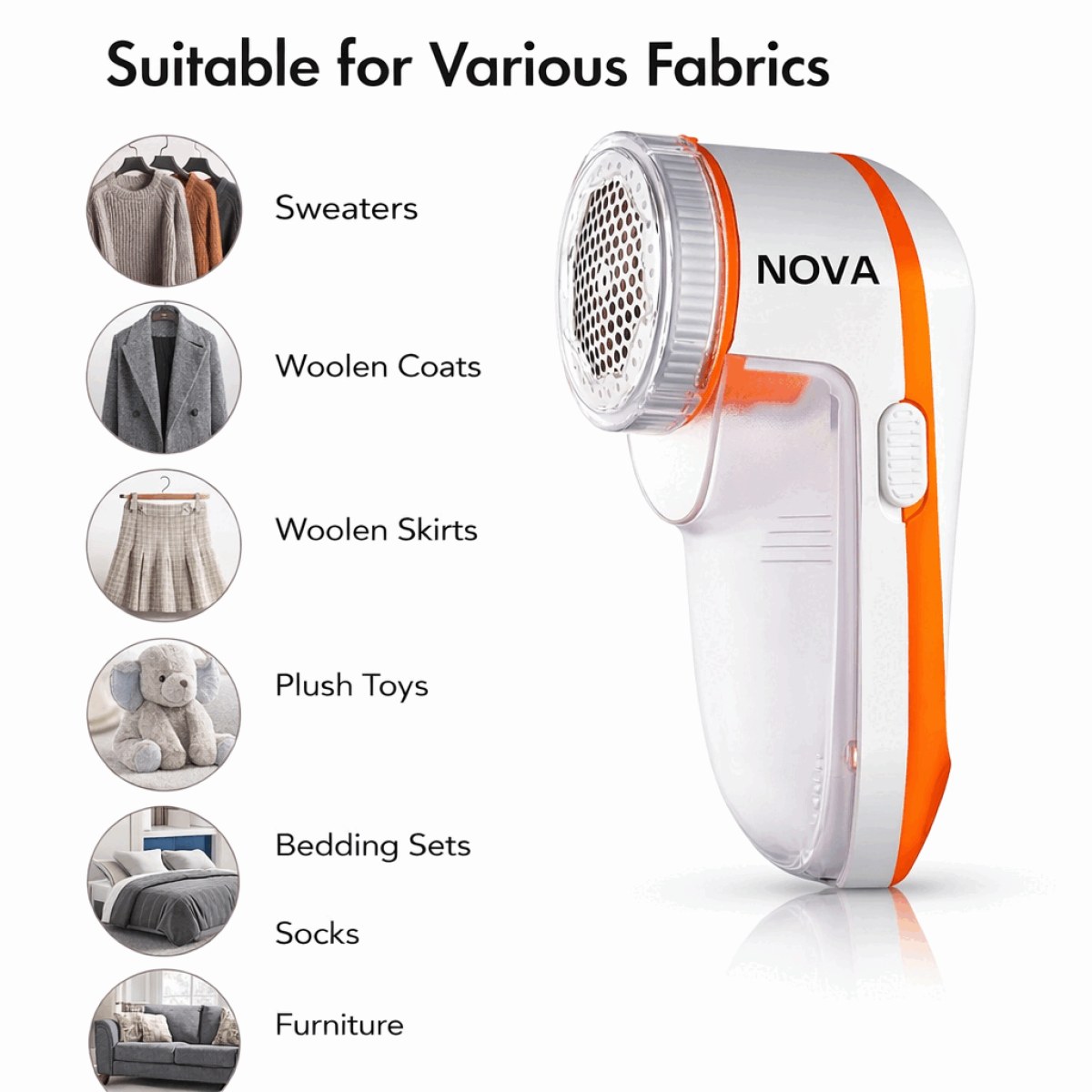
You don't have to throw out a sweater because it's covered in little balls. Those balls are called pills, and they're one of the most common problems with woollens in Indian homes. They show up most after a winter in the cupboard and a few rounds in the washing machine. Most of the time the sweater underneath is perfectly fine. You just need to take the pills off properly.
This guide covers why sweaters and woollens pill, how to remove sweater balls with and without a lint remover machine, how to handle coats, skirts and blankets, and how to slow the pilling down next time.
About this guide: written by the Jikra team in Delhi. We pick this lint remover and ship it from our Samaypur warehouse. The fabric advice is standard garment care, and the product details come from our own listing.
Why sweaters get those little balls
Knitted fabric is made of yarn, and yarn is made of lots of short fibres twisted together. Every time the fabric rubs against something, like your arm, a bag strap, a chair back or other clothes in the wash, a few fibre ends work loose. They tangle with each other into a tiny knot that stays attached to the sweater. That's a pill.
A few things to know:
- Pills show up first where there's the most rubbing: under the arms, along the sides, on the cuffs and wherever a bag strap sits.
- Blends with synthetic fibres, like acrylic or polyester mixed with wool, often pill more, and the pills hold on tighter.
- Pilling is often worst in the first few weeks of wear and washing, then slows down.
- Pills don't always mean the sweater is badly made. Soft, fluffy yarns pill more easily than tightly twisted ones.
How to remove lint from sweaters with a machine
To remove lint from sweaters neatly, lay the sweater flat on a bed or ironing board and smooth it out. Switch the machine on and rest the mesh flat on the fabric. Then move it in small circles over one patch at a time, without pressing. Start with the worst areas, then do the rest lightly. Turn the sweater over for the back, and do each sleeve on its own. Empty the chamber when you see it filling.
Two tips that make a big difference: never use it on a damp sweater, and stop as soon as a patch looks clean. Our step-by-step guide on how to use an electric lint remover machine correctly covers the common mistakes.
How to remove sweater balls without a machine
- By hand: for a handful of pills, gently pull each one away and snip it with small scissors. Don't yank, or you'll pull the yarn.
- A sweater comb or pumice-type sweater stone: brush lightly in one direction over flat fabric. It works, but it's slow on a whole sweater.
- A disposable razor: some people use one, but it's easy to nick the knit or cut a hole. If you try it, lay the fabric flat and use very light strokes.
- Sticky roller or tape: good for loose fluff and hair, but it won't shift pills that are still attached.
For anything more than a few pills, a machine is faster and more even.
Woollen coats and woollen skirts
Coats: the fabric is thicker and the pills often sit on the front panels and the sleeve undersides. Work section by section and keep clear of buttons, pockets and seams.
Skirts: lay each panel or pleat flat on its own. Don't try to go across a fold. Skip thin linings completely.
Using a lint remover for blankets and bedding sets
Blankets are big, so make it easy for yourself. Spread the blanket on the bed, check the cord reaches the socket, and work in squares about the size of a pillow. Fleece and woollen blankets fill the chamber quickly, so empty it often. A corded lint remover for blankets is handy here because it won't run out of power halfway through a double blanket.
Socks, plush toys and sofa covers
The same method works on other things that pill in winter. For socks, slip a hand inside to keep the fabric smooth. On plush toys, go very lightly and keep away from eyes and seams. On sofa covers and cushions, test the back or underside first, then work in small patches.
Which lint remover is best for sweaters?
Look for these:
- A firm mesh guard, so the blades never touch the yarn itself
- Sharp blades that cut pills cleanly instead of pulling them
- Steady power, so the motor doesn't slow down halfway
- A clear chamber you can see filling and empty easily
- A comfortable size for holding over a whole sweater
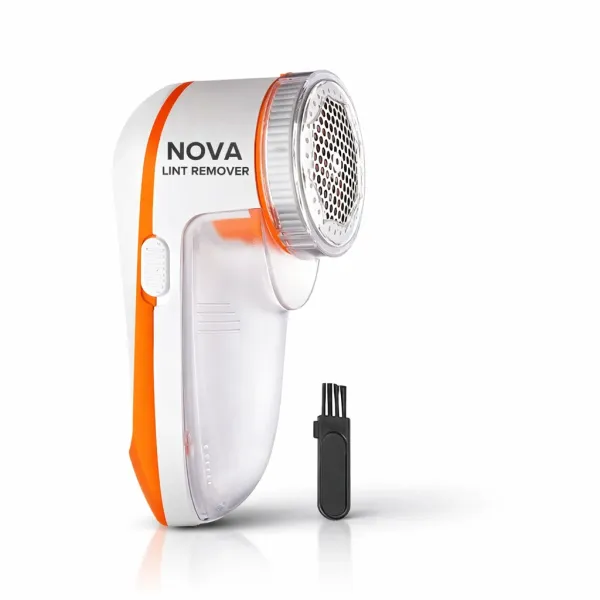
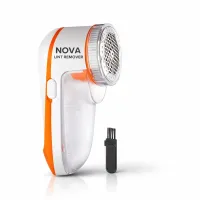
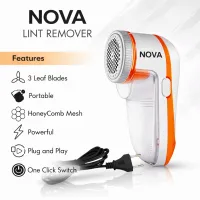
Our electric lint remover for sweaters has 3 leaf blades behind a honeycomb mesh, a clear lint chamber and a plug-in cord, and it's about 15 × 7 × 5 cm. It's a simple single-speed machine, so go extra gently on fine or loosely knitted woollens. It's ₹449 on Jikra (November 2026), with free delivery and a 7-day return.
How to keep sweaters from pilling again
- Turn sweaters inside out before washing.
- Use a gentle cycle with cold water, or hand wash woollens.
- Don't wash sweaters with jeans, towels or anything with zips.
- Dry flat instead of hanging, so they don't stretch.
- Give a sweater a day's rest between wears.
- Watch out for bag straps and rough seat covers rubbing the same spot.
Frequently asked questions
Which lint remover is best for sweaters?
An electric lint remover with sharp blades behind a firm mesh guard is best for sweaters, because it cuts pills off without touching the yarn. Steady power and a clear, easy-to-empty chamber also help. Use it gently and flat, and test fine or loosely knitted woollens on a hidden patch first.
How to remove lint from woolen clothes?
For loose fluff and hair on woollens, use a sticky roller or a strip of tape. For pills, lay the garment flat and glide an electric lint remover over it in small circles without pressing, one section at a time. Always work on dry fabric, avoid buttons and seams, and dry woollens flat after washing.
How to remove lint from sweaters?
Lay the sweater flat and smooth it out. Use a lint remover machine in small, light circles on one patch at a time, starting with the underarms, sides and cuffs. Turn it over for the back and do the sleeves separately. Empty the lint chamber as it fills, and stop once each patch looks clean.
How to remove sweater balls?
Sweater balls are pills, small knots of fibre still attached to the knit. A lint remover machine cuts them off quickly and evenly. For just a few, you can snip them off by hand with small scissors, or brush lightly with a sweater comb. Tape and sticky rollers won't remove them.
Can I use a lint remover on blankets?
Yes. Blankets and bedding sets are on our product list. Spread the blanket on a bed, work in small squares, and empty the chamber often, because blankets produce a lot of fluff.
Products in this guide
More Articles
View all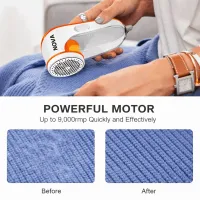
How to Remove Lint from Clothes at Home: Easy Methods That Actually Work
Electric Lint Remover Machine: 7 Mistakes That Damage Clothes and the Right Way to Use It
Lint Remover Machine: A Simple Buying Guide (Nova, Price and What Matters Under ₹500)