How to Choose the Right Water Heater for Your Home
Choosing the right water heater for your home depends on your family size, hot water needs, energy efficiency, and budget. Explore different water heater types, key features, and practical tips to make the right choice.
Having access to hot water makes everyday activities such as bathing, washing dishes, and cleaning more comfortable. However, choosing the right water heating appliance requires more than comparing prices. You need to consider your household's hot water requirements, available space, electricity consumption, safety features, and installation conditions.
With different models available, understanding how each appliance works can help you make a practical decision. A compact water heater may be suitable for a small bathroom, while a larger household might need a system designed to handle frequent hot water usage.
This guide explains the important factors to consider before purchasing a water heater and how to choose an option that fits your home and daily routine.
Understand How an Instant Water Heater Works
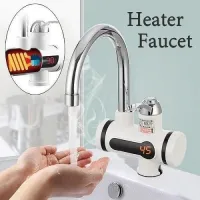
An instant water heater is designed to heat water when required rather than keeping a large volume of water hot inside a storage tank. When water flows through the appliance, its heating element raises the temperature before the water reaches the outlet.
This design can be useful in homes where space is limited or hot water is needed for shorter tasks. Depending on the model, it may be suitable for washbasins, kitchen sinks, and certain bathroom applications.
However, heating performance depends on the appliance's power rating, incoming water temperature, and flow rate. A compact unit may provide sufficient hot water for washing hands but may not deliver the same experience as a larger storage heater during a long shower.
Before purchasing, understand how much hot water you need and whether the appliance is designed for that particular use.
Consider Your Household's Hot Water Requirements
Your lifestyle will influence your decision in selecting a water heater. A house which requires warm water primarily for hand washing is very different from a house where members take turns showering.
Start by identifying your primary uses:
- Kitchen use: Washing utensils and cleaning kitchen equipment may require hot water for short periods.
- Bathroom use: Bathing requirements depend on your preferred method, water flow, and the number of users.
- Utility areas: Laundry and cleaning tasks may need occasional access to warm water.
- Multiple users: Frequent consecutive use may require greater heating capacity or a storage-based system.
Your local weather should also be taken into consideration. The harder the device works to bring the water up to an agreeable temperature, the more it is going to have to work if the water coming in is colder.
Is an Instant Water Heater for Bathroom Use Suitable?
Water heaters that give instantaneous hot water and are designed for use in bathrooms could work well in situations where one needs immediate hot water and has limited room for installations.
However, not all of them are suitable for all types of bathing facilities. This is because some of the smaller-sized water heaters are suited for use in washbasin areas or where there is minimal water requirement.
Before purchasing, make sure you are aware of the manufacturer's specifications regarding heat output, flow rates, maximum pressure, and usage recommendations. In case you like taking extended baths, make sure that the device is able to supply water at the desired flow rate without any temperature changes.
It is also important to make sure of the sufficient amount of space available for installation as well as compatibility with the plumbing and electricity systems.
This approach is much more reliable than just making an assumption that all small devices work equally well.
Compare Heating Power and Temperature Control
Power will determine how efficient the device is at increasing the temperature of water in the flow stream. Different appliances have different power ratings and will therefore deliver varying results even under identical circumstances.
A more powerful model will be able to produce more heat, but at the same time, it will impose more load on the electrical system. This is where your need for the machine comes into play.
Temperature control is another useful consideration. Depending on the model, adjustable settings may help you manage the output temperature for different tasks.
When comparing products, review the following details:
- Rated power consumption.
- Expected water flow rate.
- Temperature control options.
- Minimum and maximum operating water pressure.
- Recommended applications and installation requirements.
Avoid choosing a product based solely on claims such as fast heating. Look for measurable specifications that explain how the appliance is expected to perform.
Look for an Instant Hot Water Heater with Essential Safety Features
Safety is very essential in the selection of any electrical appliance involving the use of water, heat, and electricity.
There are various safety standards that an ideal instantaneous electric water heater must meet, including having safety mechanisms, such as thermostats, thermal cut-outs, and heating protection, among others.
Before installation, make sure that:
- The electrical supply matches the appliance's rating.
- Proper earthing and suitable circuit protection are provided.
- The plumbing connections meet the manufacturer's requirements.
- The mounting location follows the installation instructions.
- A qualified professional handles installation and electrical connections.
Never use unsuitable wiring or attempt electrical repairs while the appliance is connected to power. Professional installation can reduce the risk of electric shock, overheating, and leakage.
Check Energy Consumption and Running Costs
The usage of electricity is one of the factors that should be considered while selecting a water heater. Usage of electricity will depend upon the rating of electricity, operation time, amount of water to be heated, and temperature increase requirement.
An instant heater would help save on standby heat loss since there is no continuous requirement to keep hot water stored in bulk. But the savings would depend upon the actual usage of the household and efficiency of the appliance.
For the sake of controlling costs incurred when running the equipment, use only the amount of water that is needed and set the temperatures to not be excessively high. Consider the maintenance instructions from the manufacturer, especially when mineral deposits can form due to hard water.
It would be wise to compare the cost of purchasing, installing, the warranty period, and the intended usage before making a decision on its affordability.
Decide Whether an Instant Heater Fits Your Space
An instant water heater can be helpful in situations when wall space is scarce. The small size of the equipment could make its placement easier near the source of water supply, assuming that the area meets all necessary conditions set by the manufacturer.
Prior to making the purchase, measure the area available and compare it to the dimensions of the product. Make sure there will be enough room for maintenance work.
Water pressure is just as critical. Should the pressure in your building exceed the appliance’s allowable range, then the water heater will not function properly. Seek advice from a professional installer if you are uncertain of the water pressure in your building.
Should your home need large amounts of hot water during the day, it is wise to consider an instant water heater compared to a storage heater.
What to Check Before Buying an Instant Heater
An instant heater should match your practical needs, budget, and installation conditions. Before placing an order, review the product description and confirm the details that matter most.
Use this checklist:
- Verify the heating power and expected performance.
- Confirm the intended application and water flow requirements.
- Check the applicable safety certification.
- Review water pressure and electrical requirements.
- Compare dimensions and installation costs.
- Check the warranty and availability of service support.
- Read the manufacturer's maintenance instructions.
Reliable product information and professional installation are just as important as the features advertised on the packaging.
Overall Summary
Selection of a suitable water heating device entails consideration of issues related to its convenience, efficiency, safety, energy usage, and space required. Familiarity with your water heating needs in the house will assist in identifying a suitable device without being burdened by unneeded features.
Careful comparison and confirmation of compatibility with the required safety measures are crucial. You will enjoy the convenience of hot water while making a wise investment in the process.