How to Choose the Right Muscle Massager for Everyday Recovery
Choosing the right muscle massager can make your daily recovery routine more convenient. Explore different types of massagers, their features, and useful tips to find a suitable option for muscle relaxation, post-workout care, and everyday comfort.
Sore muscles are associated with exercise, working for long periods of time, travel, or even sitting in one place for a very long time. This can cause discomfort that can hinder the quality of daily tasks, thus, making relaxation difficult. Even though stretching and taking breaks is essential, a massage tool could complement your relaxation regimen.
Choosing the right muscle massager depends on your needs, preferred massage intensity, portability requirements, and budget. With different designs and features available, understanding what to look for can help you make a better purchasing decision.
Understand How a Muscle Massager Works
In the case of a massage device, it delivers vibrations, pressures, and repetitive strokes to soft tissues. These devices vary in terms of sensation; thus, having an understanding of how they work will enable one to select the right device for oneself.
Percussion massage guns deliver repetitive pulses via a moving head. On the other hand, other types of massage devices deliver vibrations.
Such machines can provide temporary relief from muscle tension and soreness. People have reported finding some relief from the tension and discomfort associated with stretching or exercise through massage.
The effects will differ and massage machines cannot be regarded as a substitute for any medical treatment or rehabilitation. One should determine their intention before purchasing such a machine, be it relaxation or massage of a certain body part.
Identify Your Primary Massage Needs
The purpose to which you wish to put it should dictate your decision. A machine meant for focused massage might suit some people better than a larger one which can cover greater portions of the body.
Consider these common situations:
- After exercise: A massage device may help temporarily ease the feeling of tightness in muscles used during training.
- After sitting for long periods: Gentle massage may help you feel more comfortable when your shoulders or back feel stiff.
- For everyday relaxation: A simple device with comfortable settings can support a relaxing routine.
- For targeted areas: A handheld model may make it easier to focus on the thighs, calves, or other accessible muscle groups.
Think about how often you will use the device and which areas you want to target. This will help you avoid paying for features that do not match your routine.
Choose the Right Massage Intensity
Massage intensity affects comfort and usability. Some devices offer gentle vibration, while others provide stronger percussion intended to reach deeper into soft tissue.
If you are new to massage devices, choose one that allows you to start with a low setting. You can then assess how your body responds without applying excessive pressure.
The ideal device must be comfortable to use and not painful at all. The higher intensity may not necessarily give better results, and too much pressure will end up bruising your tissues or muscles.
In case you are choosing among various brands, ensure that the machine you choose can be used at different speeds. It helps when you can vary the intensity depending on the muscle you are working on.
It is important to note that comfort is what matters. There is no need to push yourself to experience more pain.
Look for a Body Massage Machine That Fits Your Routine
A body massage machine can be useful for people who want to incorporate massage into their daily relaxation or post-exercise routine. However, devices differ in size, design, intensity, and the areas they are intended to target.
Before selecting a model, consider its practical features:
- Portability: A compact design can be easier to store or carry in a gym bag.
- Grip and handling: An ergonomic handle can make the device more comfortable to hold.
- Noise level: A quieter motor may be preferable if you plan to use the device while relaxing at home.
- Controls: Clearly labelled buttons make adjusting the settings easier.
- Power source: Check whether the device uses a rechargeable battery or requires a direct power connection.
Also consider whether you can comfortably reach the areas you intend to massage. A device that is difficult to hold or position may be less convenient, even if it has several advanced features.
Check the Massage Heads and Attachments
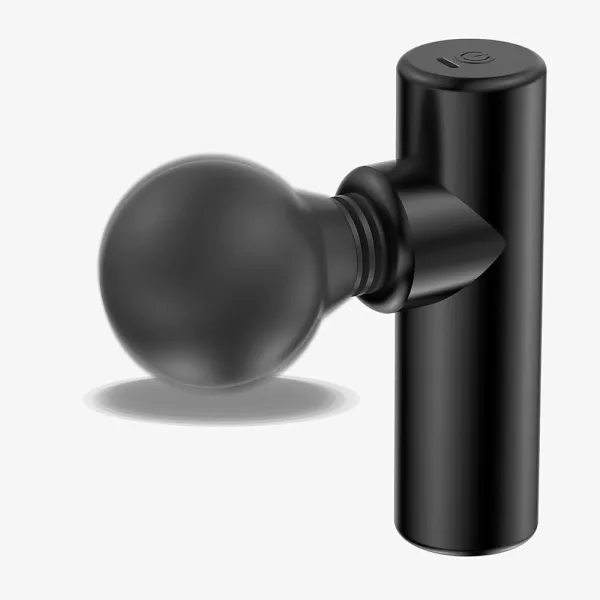
Some massage devices include interchangeable heads designed for different types of contact. These attachments can change how the pressure is distributed across the targeted area.
Common designs include:
- Round heads: Often suitable for general massage of larger muscle groups.
- Flat heads: Provide a broader contact surface.
- Smaller precision heads: Concentrate pressure over a smaller area and require extra care.
- Soft attachments: May provide a gentler sensation, depending on the device.
But not every item has all these features. Therefore, you need to consult the manufacturer before buying anything.
Select attachments according to your convenience and the purpose of the use of the device. It is better not to use a hard attachment in the delicate zones and especially not to massage bones or joints.
Consider Battery Life and Build Quality
In case you plan on using the device in various rooms or taking it to the gym, then performance of the battery and its construction are some of the factors you need to consider.
When it comes to rechargeable devices, it is necessary for you to look at the battery capacity, battery charge time, the way of charging, and whether a cable for charging the device is provided.
The tool should also feel sturdy and comfortable to handle. Inspect the quality of the handle, buttons, attachments, and charging connection.
Before purchasing, review the warranty, customer support arrangements, and return policy. These details can be particularly important for electronic devices that contain rechargeable batteries and moving components.
A well-chosen product should offer practical features, dependable construction, and convenient operation without exceeding your budget.
Learn How to Use Your Device Safely
The right use of the muscle massage machine is equally important as the selection of the right kind of machine.
Begin with a low level and let the machine glide over your muscle. The machine should massage you rather than putting any pressure on your body.
Follow these general precautions:
- Read the manufacturer's instructions before the first use.
- Start with a low intensity and a short session.
- Apply the device only to appropriate soft-tissue areas.
- Avoid direct contact with bones, joints, the front of the neck, and the spine.
- Stop immediately if you experience sharp pain, numbness, tingling, or unusual discomfort.
- Follow the recommended usage duration for each muscle group.
Not everyone can use massage guns. For example, if you have recently suffered an injury, had blood clots before, have a problem with bleeding, or have other conditions which can influence the safe use of a percussive device, you must first contact your doctor.
In case you experience persistent pain, it is better to contact a healthcare professional instead of treating the problem with massages.
Compare Features Before Making a Purchase
Once you have figured out what you need, do some shopping for a couple of models rather than settling for the first item you come across.
Create a checklist for issues such as intensities available, attachments, weight, energy source efficiency, noise levels, warranty, and price among others. Make sure that the product information gives you the details of usage.
Make sure to take care of any machinery that claims to give relief from pain, muscle gain, or any other immediate medical benefits. While there are massage machines which help in relieving your muscles from pain temporarily, they may not suit everybody, and research is still going on in this field.
The best possible option would be one which suits your needs and comfort.
Overall Summary
Choosing the right muscle massager involves understanding your massage needs, comparing intensity settings, checking attachments, and assessing portability and battery performance. A suitable device may help you manage temporary muscle tightness and make relaxation more convenient.
However, massage therapy is something that needs to be part of your daily routine as well, just as the right exercise and proper sleep do. Gently use the device and remember to consult experts when you experience pain and injuries.
Comfortable, safe, and feasible are some of the factors that will help you get a good massage device.