How to Choose the Best Knee Pads for Everyday Protection
Discover how to choose the best knee pads for everyday protection. Learn about comfortable materials, secure fitting, effective cushioning, and durability to find suitable knee protection for sports, gardening, exercise, and daily activities.
In this guide
Knee protection is necessary when doing sports, exercising, crawling, gardening, and other daily activities. Using the proper protective equipment can help minimize discomfort and prevent the knees from hitting hard or rough surfaces. The best Knee Pads are comfortable, fit the wearer's knees, made of appropriate materials, and designed specifically for the type of activity that will be performed.
Parents want protection for their child when she's learning to crawl, walk, or the young woman wants to play sports. By knowing the various features available, you can choose an appropriate product for yourself.
Why Is Knee Protection Important?
Knees are involved in numerous everyday activities such as walking, bending, kneeling and running. The knees can hit hard surfaces during activities like skating, biking or playing on the ground. These impacts can be cushioned and the friction against the skin can be lessened with protective padding.
Knee protection for adults may be helpful when gardening, working on home improvement projects, exercising, and some sports. Properly structured protective equipment can offer cushioning for children in supervised play and physical activity.
But not all injuries can be averted by wearing protective equipment. The correct fit and usage is key to effective protection.
Types of Knee Protection to Consider
There are varying levels of cushion, flexibility and support needed, depending on the activity. Think about who will wear the protective equipment and what areas it will be used in before buying it.
1. Knee Pads for Sports and Exercise
Some sports activities, like volleyball, training sessions or certain training activities, may require contact with the ground frequently. Sports-specific padding is intended to absorb the shock of the knees and give them a measure of freedom of motion.
Check for lightweight materials, firm straps and a flexible design. The padding should remain in place while allowing for adequate range of motion and not cause any discomfort during exercise.
2. Kids Knee Pads for Active Play
Running, crawling, skating and outdoor play are things kids enjoy doing. Pants with kids knee pads are created to cushion and permit a kid to move freely.
When selecting protective equipment for children, look for the recommended age range, size, material and fastening. The product should be snug yet not so tight that it damages the product or it becomes difficult to handle. Carefully supervise young children during activities and adhere to manufacturer's safety guidelines.
3. Knee Guard for Kids During Outdoor Activities
For children who are interested in cycling, skateboarding, or other age-appropriate sports, a knee guard for kids may be beneficial. Some models come with additional padding and adjustable straps to ensure that the protection stays on.
Obtain a product that is specifically made for this activity. For instance, protection for skating may be different than soft padding for crawling or house play. Test for slipperiness when bending or straightening knees.
Features to Look for When Buying Knee Pads
Choosing a product is not just about looking at the surface or costs. The following features will aid you to make a practical selection.
Comfortable and Breathable Material
The material should be comfortable, breathable and allow for proper ventilation. Fabrics that allow the breath are useful in preventing heat and moisture build up after prolonged use. Additionally, soft inner layers could enhance comfort, particularly if the product is worn for extended durations.
Read the care directions and see if it's easy to wash and what are the shape maintenance suggestions.
Proper Fit and Secure Straps
A secure fit prevents the protective gear from moving during activity. The adjustable straps may help the garment fit comfortably, but should not make it comfortable to breathe or leave marks on the skin.
Take the knee size of the user of the device, using the manufacturer's sizing chart. Don't just select the size based on the age, particularly protective equipment for developmentally growing children.
Effective Cushioning
Padding aids in absorbing impact on hard surfaces. The cushioning should be suitable for the activity being performed. For some uses, more padding can be preferable, and for sports which involve a lot of moving around, it can be preferable to have a flexible design.
Keep in mind cushioning doesn't always provide full protection from falls or injuries.
Durability and Easy Maintenance
Check for quality stitching, sturdy materials, and secure fasteners. When used outside or with sports, it must be able to withstand regular motion and cleaning.
Wash and dry product according to manufacturer's directions to keep product in good condition.
Selecting a knee protector for your baby or toddler.
Choosing Knee Protection for Babies and Toddlers
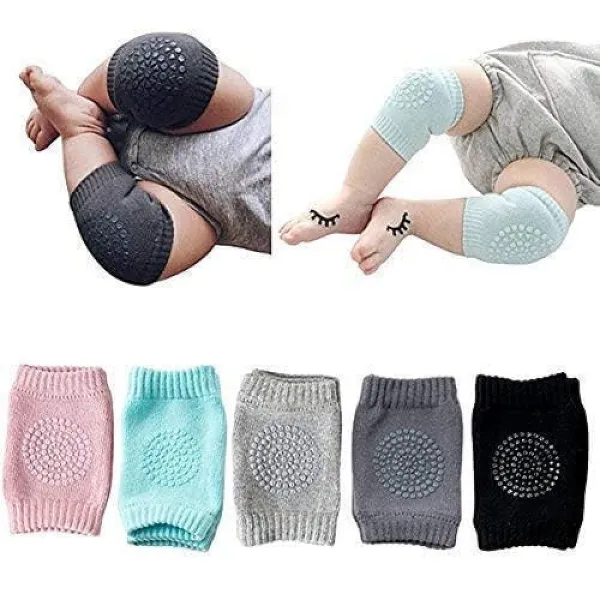
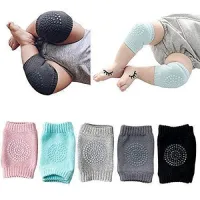
Baby knee pads are typically made from soft materials and possess a lightweight padding that permits the baby to crawl. Prior to purchase, inspect the fit and look for loose parts, sharp edges and or detachable parts that may pose a danger.
A baby knee protector can provide padding between knees and hard surfaces. They are not a substitute for adult supervision or a safe crawling area, however.
Select products marked with clear guidelines and suitable safety precautions. If it is irritating, makes pressure marks or obstructs normal movement, remove. Never operate with babies unattended while wearing any type of protective accessory.
Common Mistakes to Avoid
Here are some of the common mistakes that should be avoided when choosing protective equipment:
Wrong size: If the size is not right, it will slip or be unpleasantly sized.
Inaction: Each sport or activity has unique protective features.
Only looking at price: Consider material, fit, construction and use.
Keep in mind maintenance: Damaged or soiled padding can become less comfortable and less effective.
Taking full protection: Protective equipment will provide some protection but will not prevent injuries.
It is important to look around and find the best product with these elements in mind, because you have time.
How to Maintain Your Knee Protection
Maintenance increases comfort and cleanliness of protective gear. Once used, check for any loose stitch or torn padding, frayed or worn straps or other indications of wear.
Follow the manufacturer's instructions to clean the product and leave it to dry thoroughly before storing. If such conditions might cause damage to the material, store in a clean, dry location away from direct sunlight and from excessive heat.
Regularly check the fit on children's products as they grow. Any item that is too small, damaged, or fails to securely fit in place should be replaced.
Overall Summary
Choosing suitable Knee Pads involves considering comfort, fit, cushioning, durability, and intended use. Sports participants may prefer flexible designs, while children and toddlers need age-appropriate products with suitable sizing and soft materials.
Whether you are shopping for everyday activities, outdoor sports, or crawling, compare product features carefully and follow the manufacturer's guidance. The right protective gear can add comfort and help reduce exposure to minor impacts, while safe practices and proper supervision remain essential.